
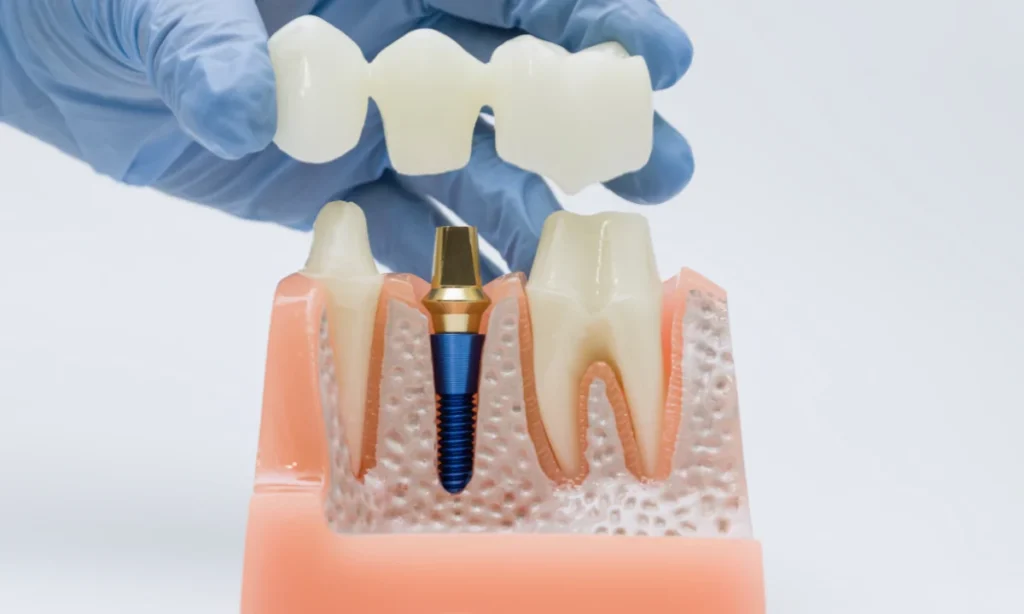
If you are missing a tooth and have started comparing dental bridge prices, you may have noticed that the figures can vary by thousands of dollars. That does not necessarily mean one dentist is overcharging another. A dental bridge is a custom restoration, and the final cost depends on the number of units, bridge type, material, condition of the supporting teeth, laboratory work, and any treatment needed before the bridge can be fitted. In Australia, private dental fees also vary between practices, and without an eligible health-fund benefit, you may need to pay the full treatment fee yourself. A useful starting point is to expect a standard 3-unit bridge to cost several thousand dollars in a private practice, but the only reliable way to know your actual out-of-pocket cost is to have the missing-tooth area examined and receive a treatment plan and written quote.
There is no single Australian price for a dental bridge. Current published private-practice prices show why a fixed national figure can be misleading. For example, one Australian practice currently gives a guide of $3,800–$6,000 for a standard 3-unit bridge, while another Melbourne practice lists $6,500–$7,500 for its own 3-unit porcelain bridge. These are examples of individual practice fees, not an official Australian average or a price charged by every dental clinic.
For a patient without private health insurance benefits, the important figure is the total private dental fee, rather than a price advertised per individual artificial tooth. A conventional bridge replacing one missing tooth commonly involves three units: two supporting crowns and one artificial tooth, called a pontic. That means a quote described as a “per-unit” or “per-tooth” price may need to be multiplied across the complete restoration.
| Dental bridge option | Main cost considerations |
| Traditional fixed bridge | Number of units, supporting teeth, material and laboratory work |
| Maryland/resin-bonded bridge | Design, material, location of missing tooth and suitability |
| Cantilever bridge | Supporting tooth, bite forces and bridge design |
| Implant-supported bridge | Number of implants, restoration, surgery and other treatment required |
These figures should be treated as prices rather than promises. A dental examination is needed before a dentist can determine which type of bridge is suitable and what treatment will be required.
A common source of confusion is searching for the cost of replacing one tooth and then receiving a quote for a three-unit bridge. The reason is that the missing tooth is only one part of a conventional bridge. The replacement tooth, or pontic, is supported by neighbouring teeth that may need crowns or other preparation.
A traditional 3-unit bridge usually consists of two abutment units and one pontic. The abutment teeth are the natural teeth used to support the restoration, while the pontic fills the space left by the missing tooth. So, if you have one missing tooth between two suitable natural teeth, the restoration may involve three units even though only one natural tooth is missing.
There is no universal pricing method used by every dental practice. Some practices may describe costs according to units, while others provide a total fee for the complete bridge. This is why it is important to ask whether a quoted price includes the entire restoration or only an individual component. A complete quote is easier to understand because it can show the clinical, laboratory and restoration costs together.
The type of bridge you need can have a major effect on the final price. The choice is based on more than cost; the dentist must consider the location of the missing tooth, the condition of nearby teeth, the bite and how the restoration can be supported.
A traditional fixed bridge commonly uses crowns on the supporting teeth to hold the replacement tooth in position. It can be an option when suitable natural teeth are present on either side of the gap. The final cost can depend on how many units are required, the material selected, the condition of the abutment teeth, and the laboratory work involved. Because supporting teeth may need preparation, the initial assessment is important before a price can be confirmed.
A Maryland bridge, also called a resin-bonded bridge, uses a different support design from a conventional bridge. It can be considered in selected situations, including some single-tooth replacements where preserving the neighbouring tooth structure is important. It may have a different cost from a traditional bridge, but it is not automatically appropriate for every missing tooth. The position of the gap, biting forces and supporting teeth all affect whether this design is suitable.
A cantilever bridge is supported from one side rather than having supporting teeth on both sides of the missing-tooth space. This makes the biting forces particularly relevant to treatment planning. It is therefore not simply a cheaper version of a traditional bridge. A dentist needs to assess whether the available supporting tooth can safely handle the forces placed on the restoration.
An implant-supported bridge uses dental implants for support instead of relying on natural teeth in the same way as a conventional bridge. The overall cost can be higher because the treatment may include implant placement, implant components, the bridge itself and additional diagnostic or surgical procedures.
The price of the bridge itself is only part of the calculation. Your dentist also has to determine how much work is required to create a stable restoration that fits the teeth and bite properly.
The number of missing teeth can affect the size of the bridge. Replacing one missing tooth may require a 3-unit traditional bridge, while a larger gap can require additional pontics and supporting units. A longer bridge is not simply a larger version of the same treatment. The supporting teeth and biting forces need to be assessed carefully before a dentist recommends a particular design.
Materials can affect both the fee and the clinical characteristics of the restoration. Depending on the location and requirements of the tooth, options may include porcelain-fused-to-metal, ceramic or zirconia-based restorations. There is no material that is automatically the right choice for every patient. Appearance, strength, tooth position, available space, bite and the requirements of the supporting teeth all need to be considered.
The teeth supporting a traditional bridge need to be healthy enough for the planned restoration. If an abutment tooth has decay, a crack, extensive previous restoration or another structural problem, it may require treatment before the bridge can be placed. This is one reason an online price cannot provide an accurate quote for an individual patient.
A dental bridge is custom-made to fit the patient’s mouth. Laboratory fabrication therefore forms part of the total treatment cost. The restoration has to match the planned tooth shape, size and colour while fitting correctly with the surrounding teeth. The laboratory work required can vary according to the bridge material, design and case requirements.
The total fee may also include the clinical work involved in examination, treatment planning, tooth preparation, fitting, cementation and follow-up. Some practices may bundle several stages into a total bridge price, while others may itemise them separately. This is another reason to compare complete treatment quotes, rather than comparing one advertised figure with another without checking what each includes.
A quoted bridge price may change if the teeth or gums require treatment before the restoration can be placed. These procedures are separate clinical needs and should not automatically be assumed to be included in the bridge fee.
If an abutment tooth has active decay, the decay may need to be treated before it can support a bridge. The cost of this treatment is separate from the restoration itself unless the dental practice specifically includes it in the quoted treatment plan.
A supporting tooth with an infected or compromised pulp may require root canal treatment. If this is necessary, it can add another stage and fee to the overall treatment. A dentist should assess the tooth first rather than assuming that every supporting tooth needs root canal treatment.
If a damaged tooth needs to be removed, extraction may be required before the replacement plan can proceed. The replacement option may then be reassessed after the tooth is removed, particularly if the patient is considering a bridge versus an implant.
Healthy gums are important for a successful dental restoration. If gum disease or significant inflammation is present, treatment may be needed before bridge placement. The important financial point is that the cost of getting a bridge and the cost of getting your mouth ready for a bridge are not always the same thing.
A lower advertised price is not necessarily a lower overall treatment cost if important stages are excluded. Before accepting a quote, ask what is included from the first examination through to the final fitting.
A treatment estimate may include some or all of the following:
In Australia, private health insurance can help with some dental treatment through extras cover, but the amount paid depends on the individual policy. There is no universal dental bridge rebate that applies to every health fund member. General dental waiting periods commonly range from two to six months, while major services can have waiting periods of 12 months or more depending on the policy.
Even if your policy includes relevant dental cover, you may still have to pay part of the treatment fee because of:
For this reason, “covered by insurance” does not necessarily mean “free.”
Before treatment, give your health fund the dental treatment information and ask about:
Your dentist can provide the treatment information needed for this conversation, but your health fund is responsible for confirming the benefit available under your policy.
If you do not have eligible private health insurance extras cover, there may be no health-fund rebate reducing your dental fee. In that situation, you generally pay the private practice’s applicable fee yourself. This is different from saying there is a special “no-insurance price.” The dental practice may charge the same standard private fee, while the insured patient may receive a rebate if their policy covers the relevant treatment. Medicare generally does not cover most routine dental care for adults, which is another reason private dental treatment can involve a significant out-of-pocket expense.
If you are paying for treatment yourself, it is natural to compare a dental bridge with an implant. However, the cheapest initial quote is not enough to determine which option is appropriate. A conventional bridge uses supporting teeth, while an implant replacement uses an implant placed in the jaw to support the restoration. Implant treatment can involve additional surgical and restorative stages, which can increase the initial treatment cost.
| Consideration | Dental bridge | Dental implant |
| Main support | Natural teeth or other bridge design | Dental implant |
| Adjacent teeth | May be used as supports | Usually not prepared to support the implant |
| Surgery | Usually no implant surgery | Implant placement is surgical |
| Treatment stages | Often fewer | May involve surgical and healing stages |
| Cost | Depends on bridge type and units | Depends on implant, restoration and any additional treatment |
A bridge may be suitable when neighbouring teeth can provide reliable support. An implant may be considered when preserving adjacent healthy teeth is important and the patient has suitable bone and gum conditions. Your dentist can compare the options based on your individual situation rather than choosing solely on price.
The most reliable way to find your expected cost is to have the missing-tooth area examined and receive a written treatment plan. A dentist needs to know what is happening with the gap, the neighbouring teeth, gums and bite before deciding which restoration is appropriate.
An examination may consider:
The dentist can then explain the recommended restoration and the expected fees.
Before accepting a dental bridge quote, ask:
These questions can prevent an inexpensive-looking initial quote from becoming an unexpectedly larger bill later.
If you are considering a dental bridge in Mona Vale or the Northern Beaches, the first step is to find out whether a bridge is suitable for your missing tooth and what the complete treatment involves. At Park St Dental Practice, an assessment can consider the missing-tooth area, supporting teeth, gums and bite before a treatment recommendation is made. A consultation also allows you to discuss the type of bridge, material, treatment stages and expected fees. Rather than relying on a generic online price, you can receive information based on your own teeth and the restoration you actually need. This is particularly important when you are paying privately and want to understand the full out-of-pocket cost before starting treatment.
There is no single Australian price. Current private-practice examples show that a standard 3-unit bridge can cost several thousand dollars, with published prices varying considerably between clinics. Your final fee depends on the bridge type, units, material, supporting teeth and any additional treatment required.
A 3-unit bridge commonly consists of two supporting units and one pontic. Current Australian private-practice price guides vary, with one 2026 Australian source listing $3,800–$6,000 and another Melbourne practice listing $6,500–$7,500 for its own 3-unit porcelain bridge. These are practice-specific prices, not a national standard.
Replacing one missing tooth with a traditional bridge can involve three units: two supporting crowns and one pontic. Therefore, the cost is usually based on the complete restoration rather than the price of one artificial tooth.
A Maryland or resin-bonded bridge may have a different and potentially lower fee than a conventional fixed bridge in suitable cases. However, it is not appropriate for every missing tooth, so the cheapest design is not necessarily the right clinical option.
Some private health insurance extras policies provide benefits for major dental treatment, but coverage, waiting periods, annual limits and benefit amounts vary between policies. Check your specific policy before treatment.
A conventional bridge can have a lower initial cost in some cases, but this is not guaranteed. Implant treatment has its own surgical and restorative costs. The appropriate comparison should include the complete treatment required for each option.
Yes. Private health insurance is not required to receive a dental bridge. Without an eligible health-fund benefit, you generally pay the applicable private dental fee yourself.
A conventional bridge can replace one missing tooth but still require several units. A typical 3-unit bridge has two supporting units and one replacement tooth, so the fee reflects the complete restoration rather than just the artificial tooth.
Not always. Dental practices may quote by unit or provide a total price for the complete bridge. Always ask which pricing method is being used and what is included in the quoted amount.
The cost of a dental bridge without insurance depends on far more than the number of teeth you are replacing. The bridge design, number of units, material, condition of the supporting teeth, laboratory work and any treatment required beforehand can all change the final fee. Current Australian private-practice prices show substantial variation, so an online figure should be treated as a guide rather than a guaranteed price.
If you are paying privately for treatment, ask for a clear treatment plan that explains the recommended bridge, what is included and the expected total cost. If you have private health insurance, check your benefit, waiting period and remaining annual limit before treatment. For patients in Mona Vale and the Northern Beaches, a consultation at Park St Dental Practice can help establish whether a dental bridge is suitable and provide a cost estimate based on your individual dental needs.
https://www.healthdirect.gov.au/cost-of-dental-care
https://www.privatehealth.gov.au/health_insurance/howitworks/waiting_periods.htm