
If you are considering veneers, one of the biggest concerns may be what happens to your real teeth after the treatment. You may have heard that teeth are filed down, that they can become sensitive, or that they can decay underneath veneers. The truth is more specific than either veneers ruin teeth or veneers have no effect on teeth. Your natural tooth remains underneath a veneer, but the treatment can permanently change the outer enamel, depending on how the veneer is prepared and placed. The tooth can remain alive and healthy, but it needs proper bonding, good oral hygiene and regular dental care to stay that way.
What is Actually Left Under a Veneer?
A dental veneer is a thin covering bonded to the front surface of a natural tooth. It does not replace the entire tooth, and the tooth root remains in the jaw. The amount of natural tooth structure that remains depends on the treatment plan and how much preparation is needed before the veneer is bonded. Understanding what is underneath the veneer helps explain why the tooth can still feel temperature, develop decay, or require dental treatment after veneer placement.
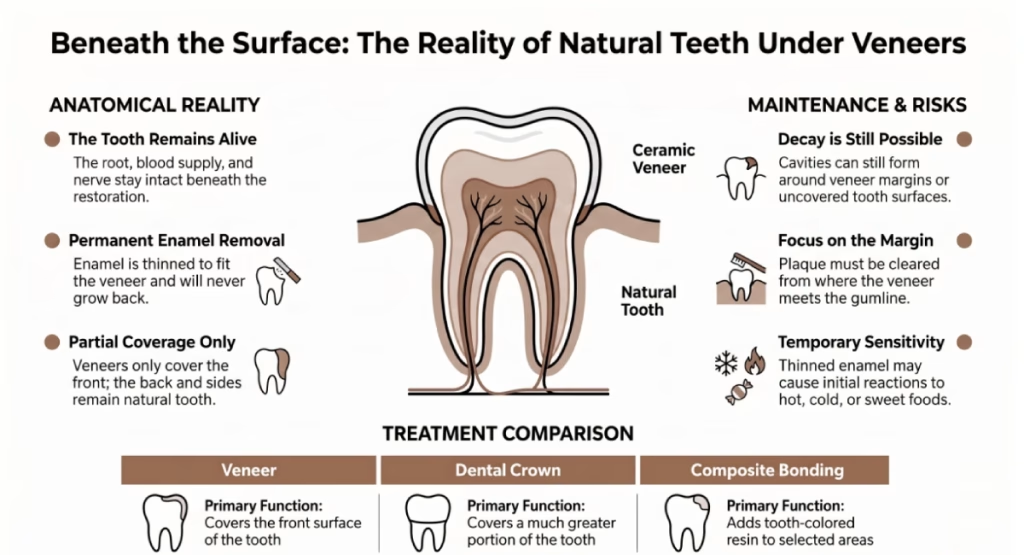
The Natural Tooth Remains Underneath
The natural tooth is still present beneath the veneer after treatment. A porcelain or ceramic veneer covers the visible front surface, while much of the tooth structure behind and around it remains natural. The veneer becomes firmly bonded to the prepared surface, but it is still a separate dental restoration rather than a replacement for the tooth itself.
This means that having veneers does not remove the need to care for your teeth. Plaque can still build up around the gum line and veneer margins, and the uncovered parts of the natural tooth remain exposed to the usual risks of tooth decay and gum disease. The long-term condition of the tooth therefore depends on both the quality of the restoration and the patient’s oral hygiene.
The Enamel, Dentine and Dental Pulp
A tooth has several layers, but three are especially relevant when discussing veneers. Enamel forms the hard outer layer. Dentine lies underneath the enamel and contains microscopic tubules that can contribute to sensitivity when it becomes exposed. The dental pulp is the innermost living part of the tooth and contains nerves and blood vessels.
A veneer is placed over part of the tooth’s outer surface. It does not normally extend into or remove the dental pulp. The tooth’s root, blood supply and nerve remain in place. This is why a properly treated tooth can remain alive and functional under a veneer.
Does the Tooth Stay Alive Under a Veneer?
Yes. A veneer does not normally remove the tooth’s nerve or blood supply. The tooth remains a living structure beneath the restoration. This is an important distinction because some people assume that placing a veneer somehow kills the tooth. It does not. However, a tooth can develop problems after veneer treatment if it was already unhealthy, if excessive damage occurs, if decay develops around the restoration, or if another dental problem affects the tooth. Persistent pain or other unusual symptoms should therefore be assessed by a dentist rather than automatically attributed to the veneer.
Which Parts of the Tooth Does a Veneer Cover?
A conventional veneer mainly covers the visible front surface of the tooth. It does not surround the entire tooth in the same way a dental crown does. The back and other areas of the tooth may remain natural and require normal cleaning. This is also why the edge where the veneer meets the natural tooth matters. A well-maintained veneer margin should be kept clean because plaque can collect around the gum line and contribute to cavities or gum inflammation.
What Happens to the Tooth Before a Veneer Is Placed?
Before a veneer is placed, the dentist needs to determine whether the tooth and surrounding gums are healthy enough for treatment. Veneers are cosmetic restorations, but they are still placed on natural teeth, so existing dental problems can affect the result and the health of the tooth underneath.
Your Dentist Checks the Tooth and Gums First
A dental assessment can look for active decay, gum disease, cracks, weakened tooth structure and other problems that may need attention before cosmetic treatment. The dentist may also assess your bite and check for signs of tooth grinding or clenching, since excessive pressure can affect veneers. This assessment is important because a veneer should not be used to simply cover an untreated dental problem. If there is active decay, gum inflammation or significant structural damage, those concerns may need to be treated first. Depending on your dental condition, another restorative option may also be more appropriate.
How Much Enamel Is Removed for Veneers?
There is no single amount of enamel that is removed from every tooth. Preparation varies according to the type of veneer, the tooth’s existing shape, the amount of available enamel, the planned appearance and the patient’s bite. With traditional veneers, a small amount of enamel may be removed from the front surface so the veneer can fit properly and achieve the planned shape without making the tooth look unnecessarily bulky. In some cases, preparation can be very limited, while other cases require more alteration. The important point is that preparation should be based on the individual tooth rather than a fixed measurement used for every patient.
Why Is Enamel Sometimes Removed?
Removing a controlled amount of enamel can create enough space for the veneer and help the dentist achieve the planned tooth shape and appearance. It can also provide a suitable surface for bonding. The goal is to preserve as much healthy tooth structure as clinically possible while creating the conditions needed for a stable and natural-looking restoration. The exact approach depends on the patient’s teeth and the type of veneer being considered.
Is Enamel Removal Permanent?
Yes. Natural tooth enamel does not grow back once it has been removed. This is one of the most important facts to understand before having traditional veneers. Because the treatment can involve permanent alteration of the tooth surface, a veneer consultation should include a discussion about how much preparation is expected, whether sufficient healthy enamel is present and whether veneers are actually suitable for the teeth being treated.
What Does a Tooth Feel Like After Veneer Preparation?
Some patients notice temporary sensitivity after their teeth have been prepared for veneers. This can happen because the tooth surface has been altered and the underlying dentine may be closer to the surface. Sensitivity can also occur after the bonding process.
Why Can Teeth Become Sensitive?
Enamel provides a strong protective layer over the more sensitive structures beneath it. When enamel is reduced during preparation, changes in the tooth surface can make the tooth more responsive to temperature or pressure. Sensitivity does not automatically mean that the tooth has been damaged or that the veneer has failed. However, the symptoms should be considered in context, particularly if they are severe, persistent or getting worse.
What Can Trigger Sensitivity?
After preparation or veneer placement, a sensitive tooth may react to:
- Cold drinks or foods
- Hot foods or drinks
- Sweet foods
- Cold air
- Pressure when biting
The level and duration of sensitivity vary between patients. Some people experience little or no discomfort, while others notice sensitivity for a short period after treatment.
How Long Should Sensitivity Last?
Short-term sensitivity can occur after dental treatment, but it should generally improve rather than continue to worsen. Persistent or severe sensitivity deserves a dental assessment because it may have another cause that needs attention. A dentist may need to check the tooth, the veneer, the bite and the surrounding tissues to determine why symptoms are continuing. This is especially important if sensitivity develops into spontaneous pain, severe pain when biting, swelling or other unusual symptoms.
When Does Sensitivity Need Dental Attention?
Contact your dentist if you experience ongoing or worsening tooth pain, strong sensitivity that does not settle, pain when biting, swelling, or discomfort that occurs without an obvious trigger. These symptoms cannot be reliably diagnosed from the sensation alone. A tooth under a veneer can still develop dental problems, so persistent symptoms should not simply be accepted as a normal part of having veneers.
What Happens When the Veneer is Bonded to the Tooth?
Once the tooth has been prepared, the veneer is carefully fitted and bonded to its surface. The bonding process is important because the restoration needs to remain securely attached while allowing the tooth and surrounding gums to remain healthy.
How Veneer Bonding Protects the Prepared Surface
Dental bonding secures the veneer to the prepared tooth surface. A properly fitted restoration creates a close interface between the veneer and tooth, while the exposed areas of the natural tooth continue to require normal dental care. The quality of the fit and bonding matters because gaps, damaged margins or poor cleaning around the restoration can contribute to plaque accumulation and other problems.
Does the Veneer Become Part of the Natural Tooth?
No. A veneer is bonded to the tooth, but it remains a separate restorative material. The natural tooth remains underneath it. This distinction matters if the veneer later becomes damaged or needs replacement. The dentist still has to assess the condition of the underlying tooth before deciding what treatment is appropriate.
What Are Veneer Margins?
The veneer margin is the area where the veneer meets the natural tooth. Depending on the tooth and treatment approach, this area may be close to the gum line. Keeping the margins clean is important because plaque can accumulate around them. Over time, poor plaque control can contribute to gum inflammation or decay in the natural tooth. During dental checkups, the dentist can also assess the condition of these margins and the surrounding gums.
Can Teeth Get Cavities Under or Around Veneers?
Yes. Having a veneer does not make the natural tooth immune to decay. The veneer itself is not natural tooth enamel, but the tooth underneath and around the restoration can still be affected by bacteria and plaque.
Can the Natural Tooth Still Decay With a Veneer?
A veneer covers part of the tooth, but it does not eliminate the conditions that cause tooth decay. If plaque remains on the natural tooth and is exposed to frequent sugar and acid, the tooth can still develop cavities. Decay may occur around the edges of a veneer or on tooth surfaces that are not covered. This is why brushing, cleaning between the teeth and regular dental examinations remain important after cosmetic treatment.
Where Can Decay Develop?
Areas at risk can include the veneer margins, the gum line, the back of the tooth and other exposed natural surfaces. Gum recession can also change the area that is exposed around a veneer. If the gum moves away from the tooth, previously covered or protected areas may become more exposed and require careful cleaning and monitoring.
Why Can Cavities Develop Around Veneers?
The main issue is still the same process that causes cavities elsewhere in the mouth: plaque bacteria interact with dietary sugars and produce acids that can damage tooth structure.
Risk can increase with:
- Poor brushing and interdental cleaning
- Frequent sugary foods and drinks
- Plaque accumulation around veneer margins
- Gum recession
- Existing untreated decay
- Problems affecting the veneer margin or bonding
A veneer is therefore not a substitute for preventive dental care.
Can Decay Be Hidden Under a Veneer?
A dental problem around a restoration may not always be obvious to the patient, particularly in its early stages. A dentist can assess the veneer, its margins, the gums and the surrounding tooth structure during an examination. If there is a clinical reason to investigate an area further, dental imaging may also be used. The appropriate method depends on the tooth and the symptoms or signs found during the examination.
What Problems Can Develop Around Veneered Teeth?
Cavities are one concern, but they are not the only issue that can affect a veneered tooth. The gums, veneer itself and underlying tooth all need to remain healthy for the restoration to continue working well.
– Gum Irritation and Inflammation
Plaque around the veneer margin can irritate the gums. Signs can include redness, bleeding or swelling around the treated tooth. Good brushing and daily cleaning between the teeth help reduce plaque in these areas. If gum inflammation continues despite good home care, a dental examination can identify whether the issue is related to plaque, the restoration, gum disease or another cause.
– Gum Recession and Exposed Tooth Structure
Gum recession can expose more of the natural tooth near the veneer margin. This can affect both appearance and sensitivity and may make cleaning around the restoration more important. Recession can have several causes, including gum disease, brushing habits and other factors, so it should not automatically be blamed on veneers. A dentist can assess the gum line and determine the underlying cause.
– Veneer Loosening, Chipping or Breakage
Veneers can become damaged or detached. Biting hard objects, accidents, tooth grinding and normal wear can all place stress on a restoration. If a veneer becomes loose or comes off, do not try to attach it with household glue or another DIY adhesive. Keep the veneer safe and contact your dentist so the restoration and underlying tooth can be examined.
– Tooth Grinding and Veneer Damage
Bruxism, or tooth grinding and clenching, can place substantial pressure on teeth and restorations. This may increase the risk of chipping, cracking or de bonding. If you grind or clench your teeth, tell your dentist before treatment. Depending on your situation, a dentist may recommend a professionally fitted night guard or splint to reduce damaging forces.
How Do You Keep the Natural Teeth Under Veneers Healthy?
Veneers still require the same basic commitment to oral hygiene as natural teeth. The goal is to prevent plaque and decay around the veneer margins while keeping the gums healthy.
Brush Twice Daily With Fluoride Toothpaste
Brush your teeth twice a day using fluoride toothpaste. Take care around the gum line and veneer margins rather than focusing only on the visible front surfaces. Fluoride helps protect natural tooth enamel against decay, so continuing regular fluoride toothpaste use remains important after veneer treatment.
Clean Between the Teeth Every Day
Floss or use another suitable interdental cleaning method every day. Brushing alone cannot clean every area between the teeth, where plaque can accumulate close to the gum line and veneer margins. Your dentist or dental hygienist can show you the most suitable way to clean around your specific restorations.
Keep Plaque Away From the Gum line
The area where a veneer meets the natural tooth deserves particular attention. Regular plaque removal helps reduce the risk of gum inflammation and supports the health of the natural tooth around the restoration. Professional cleaning may also be useful when plaque or tartar cannot be adequately removed with routine home care.
Limit Frequent Sugar Exposure
You do not need a special veneer diet, but frequent exposure to sugary foods and drinks increases the risk of tooth decay. Keeping sugary items to mealtimes where possible and maintaining good oral hygiene can help protect the natural teeth around your veneers.
Avoid Habits That Can Damage Veneers
Veneers are intended for normal eating and speaking, not for using your teeth as tools. Avoid habits such as:
- Chewing ice
- Biting your fingernails
- Opening packaging with your teeth
- Biting very hard non-food objects
These habits can put unnecessary force on both veneers and natural teeth.
Attend Regular Dental Checkups
Regular dental visits allow your dentist to monitor the veneers and the teeth underneath and around them. A checkup can assess the veneer margins, gums, natural tooth structure and signs of decay or other problems. There is no universal rule that every patient must have an appointment at exactly six-month intervals. Your dentist can recommend an examination schedule based on your oral health, decay risk, gum condition and dental history.
What Happens When a Veneer Needs to Be Replaced?
Veneers are long-term restorations, but they are not guaranteed to last forever. A veneer may eventually need repair or replacement because of damage, wear, de bonding, changes around the gum line or a problem affecting the underlying tooth.
Why Might a Veneer Need Replacement?
Common reasons can include:
- Chipping or fracture
- De bonding or loosening
- Wear over time
- Problems with the underlying tooth
- Changes around the gum line
- Damage from grinding or trauma
Replacement is not simply a matter of putting a new veneer over the old one. The dentist needs to examine the existing restoration and the natural tooth to determine what condition they are in.
Does Replacing a Veneer Damage the Natural Tooth?
Replacement does not automatically mean that the natural tooth will be damaged. However, the condition of the tooth and the existing restoration determines what treatment is needed. If the tooth has developed decay, structural damage or another problem, that issue may need to be treated before a new veneer can be placed. The dentist will assess the tooth rather than assuming that the same procedure is suitable for every replacement.
Can Veneers Be Removed and the Original Teeth Restored?
This depends on how the teeth were prepared. If enamel was removed for traditional veneers, that enamel cannot grow back. The teeth therefore cannot simply return to their original condition after treatment. This is why the decision to have veneers should be based on a proper examination and a clear understanding of the permanent changes that may be made to the tooth surface.
Are Veneers Safe for Your Natural Teeth?
Veneers can be a suitable cosmetic restoration for some patients, but their effect on natural teeth depends on factors such as the condition of the teeth before treatment, the amount of preparation required, the quality of the bonding, oral hygiene and ongoing dental care.
When Veneers Can Be a Suitable Option
A dentist may consider veneers when the teeth and gums are healthy enough for the planned treatment and the cosmetic concern can be appropriately addressed with veneers.
They can be used to improve the appearance of issues such as:
- Discolouration
- Chipped or worn edges
- Minor shape irregularities
- Small gaps
- Certain cosmetic concerns involving tooth size or symmetry
The cosmetic result is only one part of the decision. The dentist also needs to consider the underlying tooth structure and long-term oral health.
When Other Dental Treatment May Be Needed First
Active tooth decay, gum disease, infection or significant structural damage may need treatment before veneers are considered. Tooth grinding may also need to be addressed because repeated excessive forces can compromise cosmetic restorations. In some situations, another treatment may be more appropriate than veneers. The correct choice depends on the condition of the individual teeth rather than the desired appearance alone.
Why Individual Assessment Matters
There is no single veneer preparation that is suitable for every patient. During a consultation, your dentist can examine the teeth and gums, assess the bite, and discuss the amount of tooth preparation that may be required. At Park St Dental Practice in Mona Vale, a veneer consultation can help determine whether veneers are suitable for your teeth and what treatment approach can address your cosmetic concerns while considering the health and structure of your natural teeth.
Veneers vs Other Options: Why Your Natural Tooth Matters
Veneers are only one type of dental treatment used to change the appearance or restore teeth. Understanding the difference can help explain why your dentist may recommend a different option after examining your teeth.
| Treatment | What it generally does |
| Veneer | Covers mainly the front surface of a tooth |
| Dental crown | Covers a much greater portion of the tooth |
| Composite bonding | Adds tooth-coloured resin to selected areas |
| Orthodontic treatment | Moves teeth into a different position rather than covering them |
The right treatment depends on how much healthy tooth structure remains, the condition of the gums, the bite and the result you want to achieve. A cosmetic concern does not automatically mean that veneers are the best solution.
What Really Happens to Teeth Under Veneers?
Your natural teeth do not disappear when veneers are placed. The tooth remains alive beneath the restoration, with its root, pulp, nerve and blood supply still present. However, traditional veneers may require permanent enamel preparation, and the tooth can still develop decay, sensitivity, gum problems or other dental issues after treatment.
The best way to protect the teeth under veneers is to start with healthy teeth and gums, use appropriate treatment planning, maintain daily oral hygiene and continue regular dental examinations. If you are considering veneers in Mona Vale or the Northern Beaches, Park St Dental Practice can assess your teeth and discuss whether veneers are suitable, how much preparation may be needed and which approach is appropriate for your individual dental health.
Dr Neda Gorji
Principal Dentist | Implant Dentist
Park St Dental Practice | Dental Implant Centre
Mona Vale, Northern Beaches, Sydney