
A throbbing tooth, swollen gum or sudden bad taste can be easy to dismiss, especially when the pain comes and goes. These symptoms may indicate a tooth abscess, an infection that can continue beneath the tooth or gum even when discomfort temporarily improves. Recognising the warning signs early can help you arrange dental treatment before the infection damages more tissue or spreads into the face and neck.
Common tooth abscess symptoms include persistent toothache, pain when biting, sensitivity to hot or cold, gum swelling, pus drainage, bad breath, facial swelling and fever. Some abscesses cause very little pain, so a lack of severe toothache does not rule out infection. Seek emergency medical care if dental swelling causes difficulty breathing, speaking or swallowing, or if swelling is spreading into the neck or around the eye. Call Triple Zero (000) if breathing is affected.
A tooth abscess cannot be confirmed from symptoms alone. Cracked teeth, gum disease, impacted wisdom teeth and other dental conditions can produce similar problems. A dentist may need to examine the area and take a dental X-ray to identify the source.
What Are the Symptoms of a Tooth Abscess?
A tooth abscess can affect the tooth, gum, jaw and surrounding facial tissues. The symptoms depend on where the infection began, whether pressure is building and whether pus has found a way to drain. Some people experience intense pain, while others first notice a recurring gum bump, unpleasant taste or swelling near one tooth. Healthdirect lists sharp or throbbing pain, biting discomfort, temperature sensitivity, red or swollen gums, facial swelling, bad breath, a bad taste, fever and tooth looseness among the possible signs of a dental abscess.
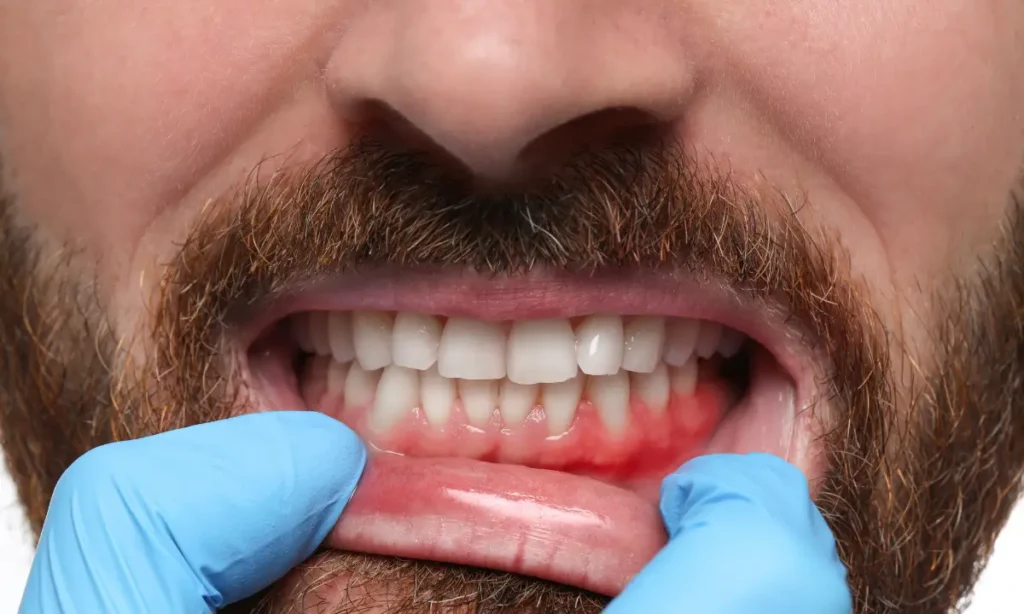
Throbbing, Sharp or Persistent Toothache
Abscessed tooth pain may feel throbbing, pulsing, stabbing or deeply aching. It can remain constant or come in waves. The discomfort may become more noticeable at night or while lying flat because pressure around the inflamed tooth can feel stronger in that position. The pain may spread beyond the affected tooth into the jaw, ear, cheek, temple or neck. Referred pain can also make it difficult to identify which tooth is responsible. However, the intensity of pain does not reliably show how severe the infection is. A small, enclosed infection can feel extremely painful, while an abscess that is draining may produce less discomfort.
Pain When Biting or Chewing
Inflammation around the tooth root can make the tooth sensitive to pressure. You may notice a sharp pain when biting, a deep ache while chewing or tenderness when the tooth is touched. Some patients say the affected tooth feels slightly higher than the teeth around it because inflammation near the root changes how the bite feels.
Biting pain is not exclusive to an abscess. A cracked tooth, loose filling, gum infection or bite problem can create a similar sensation. Persistent pain during chewing should therefore be examined rather than diagnosed at home.
Sensitivity to Hot and Cold
A tooth with inflamed or infected pulp may react strongly to hot drinks, cold water or cold air. The pain may be sharp and immediate, or it may continue after the temperature source has been removed. Lingering sensitivity can suggest that the nerves and blood vessels inside the dental pulp are damaged. Sensitivity may eventually decrease if the pulp loses its nerve supply. This can create the false impression that the tooth is recovering. In reality, bacteria may still remain inside the root canal system and continue spreading into the tissues around the root.
Swollen, Red or Tender Gums
The gum beside an infected tooth may look red, raised or puffy. It may feel warm, sore or tender when touched. Swelling can remain close to one tooth, extend along the gumline or become visible through the cheek. A gum abscess often produces more obvious swelling beside the tooth, while an infection located deep at the root tip may not create a visible gum change at first. Gum redness or bleeding can also result from gingivitis or periodontal disease, so swelling alone cannot identify the exact type of infection.
A Gum Boil or Dental Fistula
A small pimple-like bump on the gum can be a drainage point from an infection. Dentists may describe it as a gum boil, parulis, draining sinus or dental fistula. It may release pus, shrink and then return later. Drainage can reduce pressure around the root, causing the pain to ease. However, the infection may remain inside the tooth or gum tissue. A recurring gum bump therefore needs dental assessment even if it is not painful.
Is a pimple on the gum always an abscess?
A pimple-like bump can indicate a draining dental abscess, particularly when it releases pus or foul-tasting fluid. Other gum conditions may look similar, so a dentist needs to examine the area and determine where the drainage is coming from.
Pus, Bad Breath or a Foul Taste
An abscess may drain into the mouth through the gum or around the tooth. The fluid can taste bitter, salty or unpleasant. Bacteria and pus can also contribute to persistent bad breath. A sudden release of foul-tasting fluid may mean the abscess has ruptured. Pressure and pain may improve afterwards, but this does not mean the infection has resolved. The source inside the tooth or periodontal tissues still needs treatment. Do not squeeze, pierce or repeatedly press a swollen gum in an attempt to release more pus.
Facial, Cheek, or Jaw Swelling
A dental infection can cause swelling in the cheek, jawline or one side of the face. The area may feel warm, firm, soft, or tender. Facial asymmetry may become noticeable in photographs or when looking in a mirror. Increasing swelling suggests that inflammation or infection is moving beyond the original tooth. Swelling below the jaw, into the neck or near the eye requires urgent assessment. Healthdirect advises emergency care when tooth or gum swelling causes breathing or speaking problems or extends around the eye or neck.
Fever, Swollen Lymph Nodes, and Feeling Unwell
A dental abscess may cause fever, chills, tiredness, reduced appetite or a general feeling of illness. Lymph nodes under the jaw or in the neck may become enlarged and tender as the immune system responds to infection. Fever with facial swelling is a significant warning sign, but the absence of fever does not prove that an infection is mild. NSW emergency guidance notes that systemic symptoms may not always be present in dental infection, even when swelling or deeper tissue involvement exists.
Tooth Discolouration, Looseness or a Raised Feeling
A tooth affected by trauma or pulp death may become grey, brown or darker than neighbouring teeth. Infection and damage to the supporting tissues can also make the tooth feel loose. Inflammation around the root may create the impression that the tooth has moved upwards or is contacting the opposing tooth too early. These changes can also result from injury, gum disease or bite problems, so examination and imaging are needed to identify the cause.
Why the Pain May Suddenly Stop
A sudden reduction in toothache is not always good news. Pressure may decrease because pus has drained through a gum fistula. Pain can also disappear if the dental pulp has died and can no longer send normal nerve signals. In both situations, bacteria may remain within the root canal system or surrounding gum tissues. The infection can continue damaging bone and oral tissues without producing the same level of pain. Healthdirect advises that a tooth abscess will not get better on its own and should be treated promptly.
How Urgent Are Your Symptoms?
Every suspected tooth abscess needs professional attention, but not every case requires an ambulance or hospital emergency department. Local tooth pain or gum swelling generally requires prompt dental care. Facial swelling, fever or restricted mouth opening may require urgent same-day assessment. Breathing, swallowing or airway symptoms require emergency medical help.
| Symptoms | Recommended action |
| Toothache, biting pain, sensitivity or local gum swelling | Arrange a prompt dental appointment |
| Gum boil, pus drainage or recurring swelling | Contact a dentist even if pain has improved |
| Facial swelling, fever or worsening difficulty opening the mouth | Seek urgent same-day dental or medical assessment |
| Neck swelling, drooling, voice change or difficulty swallowing | Seek emergency medical care |
| Difficulty breathing, severe mouth or tongue swelling, or unresponsiveness | Call Triple Zero (000) |
Symptoms That Need Prompt Dental Care
Contact a dentist promptly if you have persistent toothache, pain when biting, lingering temperature sensitivity, gum swelling, pus drainage, a recurring gum boil, a darkened tooth or a bad taste associated with dental pain. You should not wait for severe swelling to develop. Healthdirect recommends seeing a dentist or doctor as soon as possible when symptoms suggest a tooth abscess because the infection does not normally clear without treatment.
Signs of Spreading Infection
Warning signs that infection may be extending into nearby tissues include:
- Rapidly increasing facial or jaw swelling
- Swelling below the jaw or into the neck
- Swelling approaching the eye
- Fever or marked weakness
- Increasing difficulty opening the mouth
- Worsening symptoms despite initial treatment
- Tender or enlarged neck lymph nodes
- Increasing difficulty eating or drinking
Untreated dental infection can spread beyond the tooth and jaw. Rarely, it may obstruct the airway or cause a severe whole-body infection.
Trismus or Difficulty Opening the Mouth
Trismus means that mouth opening has become restricted. It may occur when inflammation affects the chewing muscles or deeper spaces around the jaw. The person may struggle to eat, clean their mouth or allow a dental examination. Minor jaw stiffness can have several causes, but worsening trismus with facial swelling, fever or swallowing difficulty needs urgent assessment. NSW emergency guidance includes trismus among the signs associated with serious dental infection and possible rapid spread.
Difficulty Swallowing, Drooling or Voice Changes
Difficulty swallowing can indicate swelling near the throat or floor of the mouth. Drooling or being unable to manage saliva is more concerning because it may show that normal swallowing is being affected. A muffled, altered or unusually thick voice can also suggest deeper swelling. NSW clinical guidance lists drooling, difficulty swallowing and voice changes among signs associated with serious submandibular infection. These symptoms require emergency medical assessment rather than waiting for a routine dental appointment.
Swelling under the tongue, below the jaw or inside the neck can threaten the airway. NSW emergency guidance notes that dental infections posing an airway risk may require hospital treatment, intravenous antibiotics and surgical drainage.
Higher-Risk Patients
Children, pregnant patients, frail older adults and people with diabetes, reduced immunity or serious medical conditions should seek professional advice early. Infection may progress differently in patients receiving chemotherapy or immune-suppressing medicines. This does not mean every higher-risk person requires hospital admission. It means a dentist or doctor should assess the symptoms promptly and decide whether additional medical support is needed. NSW guidance identifies immune compromise as a factor that can influence antibiotic and escalation decisions.
What Can the Symptom Pattern Tell You?
The location and pattern of symptoms may offer clues about where an abscess began. However, these patterns overlap, and the exact source cannot always be identified without examination, pulp testing and dental X-rays.
| Condition | Where it develops | Common symptom pattern |
| Periapical abscess | Near the tip of a tooth root | Toothache, biting pain, sensitivity and root-area swelling |
| Periodontal abscess | Gum and supporting tissues beside a tooth | Local gum swelling, pus, tenderness and possible tooth looseness |
| Gingival abscess | Gum tissue | Localised gum bump, redness and tenderness |
| Pericoronitis | Gum around a partly erupted tooth | Pain behind a molar, gum swelling, bad taste and jaw stiffness |
Periapical Abscess
A periapical abscess usually begins when bacteria enter the dental pulp through deep decay, a crack or injury. The infection travels through the root canal system and forms near the tip of the root. The tooth may hurt when biting or tapping, and it may react strongly to temperature before the pulp dies. Because the infection can be deep within the jaw, the gum may initially look normal. Root canal treatment may be considered when the tooth has enough healthy structure to be restored.
Periodontal or Gum Abscess
A periodontal abscess develops in the gum and supporting tissues beside a tooth. It is often associated with a deep periodontal pocket where bacteria and debris become trapped. Symptoms may include visible gum swelling, tenderness, pus near the gumline and tooth mobility. Treatment focuses on draining and cleaning the periodontal source. Root canal therapy is not automatically required unless the infection also involves the dental pulp. NSW guidance distinguishes dental abscesses arising from tooth decay from periodontal infections associated with severe gum disease.
Infection Around a Wisdom Tooth
A partly erupted wisdom tooth can leave a gum flap that traps food and bacteria. This may lead to pericoronitis, causing pain behind the last molar, local swelling, bad taste and difficulty opening the mouth. Pericoronitis is a dental infection, but it is not the same as an abscess forming at the tip of a tooth root. Fever, facial swelling or worsening trismus requires urgent assessment because infection around lower wisdom teeth can extend into deeper tissues.
Can an abscess exist without pain or Visible Swelling?
Yes. An abscess may drain through a dental fistula and create little pressure. The pulp may also have died, reducing pain from inside the tooth. In other cases, infection is located deep around a root and cannot be seen in the mirror. A recurring gum bump, tooth darkening or an abnormal dental X-ray may be the first clue. Park St Dental Practice notes that some teeth requiring root canal treatment may have no obvious symptoms, which is one reason routine examinations remain important.
What Causes a Tooth Abscess?
A tooth abscess develops when bacteria enter a tooth or its surrounding tissues and the body forms pus in response. Common starting points include deep decay, cracks, trauma, gum disease, impacted teeth and reinfection of a previously treated tooth.
How Bacteria Reach the Tooth Pulp
A healthy tooth has hard enamel on the outside, dentine underneath and dental pulp at its centre. The pulp contains nerves, blood vessels and connective tissue. When decay, cracking or trauma breaks through the outer layers, bacteria may enter the pulp. Infection can then move through the root canal system and beyond the root tip, where pus collects in the surrounding tissues.
Deep Tooth Decay
Dental plaque bacteria convert sugars from food and drinks into acids that damage enamel. If decay is left untreated, it can progress through the dentine and reach the pulp. Early decay may not be painful. By the time throbbing pain, biting discomfort or swelling develops, the pulp may already be badly inflamed or infected. Treating cavities before they reach the pulp reduces the risk of abscess formation.
Cracked, Broken or Traumatised Teeth
Cracks and fractures can create pathways through which bacteria reach the pulp. Dental trauma may also damage the tooth’s blood supply even when there is no obvious external crack. An injured tooth may become sensitive, painful or darker over time. Infection can develop soon after the injury or months later. A mouthguard can help reduce dental trauma during contact sports.
Gum Disease and Periodontal Pockets
Periodontitis damages the gum and bone supporting the teeth. Deep pockets can form between the tooth and gum, creating spaces where bacteria collect. If drainage from a pocket becomes blocked, a periodontal abscess may develop. This type of infection requires treatment of the gum and supporting tissues rather than assuming the problem began inside the tooth pulp.
Previous Dental Treatment and Reinfection
A tooth with a deep filling may later develop pulp inflammation or infection. A previously root-treated tooth can also become reinfected because of a crack, leakage around a restoration, difficult canal anatomy or an untreated canal. Reinfection does not automatically mean the earlier treatment was performed incorrectly. Tooth anatomy can be difficult, and cracks or restoration problems may develop later. Retreatment or referral to an endodontist may be considered after assessment.
Factors That Increase Risk
Factors associated with a greater chance of dental infection include:
- Poor brushing and interdental cleaning
- Frequent sugary foods or drinks
- Untreated tooth decay
- Delayed repair of cracked teeth
- Dry mouth
- Smoking
- Diabetes
- Reduced immunity
- Certain medicines
- Limited access to regular dental care
These factors increase susceptibility but do not prove that an abscess is present. Diagnosis still requires professional assessment.
How Does a Dentist Diagnose and Treat an Abscess?

The purpose of assessment is to identify where the infection started, whether it has spread and whether the tooth can be saved. Treatment must control the infection source rather than only reducing pain.
Healthdirect advises that assessment may involve examination of the mouth, face and neck, along with dental X-rays, sensitivity testing and additional medical investigations in serious cases.
Dental Examination
The dentist will usually ask when the pain began, what triggers it, whether swelling is increasing and whether fever, drainage or general illness is present.
The examination may include:
- Looking for decay, cracks, swelling or pus
- Tapping the affected tooth
- Testing its response to temperature
- Checking tooth mobility
- Assessing the bite
- Examining the gums
- Checking facial and jaw swelling
- Reviewing medical conditions and medicines
The findings help distinguish a pulp infection from gum disease, trauma, an impacted tooth or another source of pain.
Dental X-Rays and Further Testing
Dental X-rays can show deep decay, changes around the root, bone loss and previous dental treatment. Small X-rays may focus on one tooth, while wider imaging may be used when several structures are involved. CT scans, ultrasound, blood tests or pus samples are generally reserved for selected cases where infection appears severe, unusual or spreading. An early pulp infection may not always produce an obvious X-ray change, so imaging must be interpreted with the symptoms and examination.
Drainage and Removal of the Source
Pus may be drained through the tooth, through a gum pocket or through a small incision. Drainage can reduce pressure and help relieve pain, but it may not complete the treatment. The underlying tooth or gum problem still needs to be addressed. Attempting to pierce or drain an abscess at home can injure tissue and does not safely treat the source.
Root Canal Treatment
Root canal treatment may save a tooth when the infection begins inside the pulp and enough healthy tooth structure remains. The infected pulp is removed, and the canals are cleaned, disinfected, filled and sealed. The tooth may later need a filling or crown to restore strength and function. Park St Dental Practice provides root canal treatment in Mona Vale and lists persistent toothache, temperature sensitivity, biting pain, swelling, tooth darkening, and dental abscess among the reasons an assessment may be required.
Tooth Extraction
Extraction may be recommended when a tooth is too damaged to restore predictably. Possible reasons include extensive decay, a severe crack, poor gum or bone support, or insufficient structure for a lasting restoration. Removing the tooth removes the infected source, but extraction is not necessary for every abscess. The dentist should assess whether root canal treatment, periodontal care or another approach could retain the tooth.
Antibiotics
Antibiotics may be used when infection is spreading, systemic symptoms are present, the patient has reduced immunity or definitive treatment cannot be provided immediately. They may also be required as part of hospital care for severe infection. Antibiotics alone do not remove dead pulp, clean an infected root canal or treat the underlying periodontal pocket. Drainage, root canal therapy, gum treatment or extraction may still be needed. NSW guidance lists fever, malaise, swollen lymph nodes, trismus, immune compromise and risk of rapid spread among factors that can support antibiotic use.
What Can You Do Before Your Appointment?
Temporary measures may reduce pain and make eating easier, but they cannot cure an abscess. Arrange dental care promptly, and seek urgent help if swelling or general symptoms worsen.
Safe Temporary Measures
While waiting for dental care:
- Keep the teeth and mouth gently clean.
- Use a soft toothbrush.
- Eat soft foods.
- Chew on the opposite side.
- Avoid very hot or cold foods if they trigger pain.
- Rest with the head slightly elevated.
- Place a cold compress wrapped in cloth against the cheek.
- Ask a pharmacist or doctor which pain medicine is suitable for you.
Healthdirect recommends soft foods, avoiding temperature triggers, head elevation, gentle cleaning and a wrapped cold compress while waiting for dental treatment.
Can a Salt-Water Rinse Help?
A gentle warm salt-water rinse may soothe irritated gum tissue and help clear fluid already draining into the mouth. It should be spat out rather than swallowed. Salt water cannot reach and disinfect infected pulp deep inside a tooth. It should therefore be viewed as temporary comfort care, not a replacement for drainage, root canal therapy or another dental treatment.
Actions to Avoid
Do not:
- Pop, cut or squeeze the abscess
- Repeatedly press a gum boil
- Place aspirin directly against the gum
- Pour alcohol or harsh chemicals onto the tooth
- Use leftover antibiotics
- Take another person’s medicine
- Stop prescribed antibiotics early
- Delay care because the pain has stopped
- Rely on clove oil or home remedies to remove the infection
These actions can irritate or injure tissue and do not remove the underlying dental source.
Tooth Abscess Care at Park St Dental Practice
Park St Dental Practice provides emergency dentistry and root canal treatment for patients in Mona Vale and the Northern Beaches. The practice lists severe toothache, dental abscess and swelling among conditions that may require urgent attention.
When to Contact the Practice
Contact Park St Dental Practice promptly if you experience:
- Persistent or severe toothache
- Pain when biting
- Temperature sensitivity
- A swollen or tender gum
- A recurring gum boil
- Pus drainage
- A bad taste associated with dental pain
- Facial or jaw swelling
- Tooth darkening after trauma
- Symptoms returning after previous treatment
Breathing or speaking problems, neck swelling, severe tongue swelling or difficulty swallowing require emergency medical care rather than waiting for a routine dental appointment.
What the Dental Assessment May Include
The dental team may review your symptoms and medical history, examine the affected tooth and gum, assess swelling and take relevant dental X-rays. Tests may be used to check the tooth’s response and determine whether the infection began inside the pulp or in the surrounding gum tissues.
Once the cause is identified, the dentist can discuss the appropriate next step, which may include drainage, root canal treatment, periodontal care, extraction or referral for specialist or hospital management. Park St Dental Practice states that root canal treatment is used to remove infection, relieve dental pain and preserve a damaged or infected natural tooth.
Book an Urgent Dental Assessment in Mona Vale
Tooth pain, gum swelling and facial swelling can have several causes, so a dental abscess should not be diagnosed from symptoms alone. We can examine the area, take any required X-rays and explain whether drainage, root canal therapy, gum care or extraction is the appropriate treatment.
Final Takeaway
Common tooth abscess symptoms include throbbing toothache, biting pain, temperature sensitivity, swollen gums, pus drainage, bad breath, facial swelling, and fever. An abscess may also exist without severe pain, and temporary relief after drainage does not mean that the infection has cleared. Arrange prompt dental care for suspected infection. Seek urgent same-day assessment for increasing facial swelling, fever, or difficulty opening the mouth. Breathing, speaking, or swallowing problems require emergency medical help. Park St Dental Practice in Mona Vale can assess the tooth, take relevant X-rays, and discuss drainage, root canal treatment, gum care, or extraction based on the source and severity of the infection.